
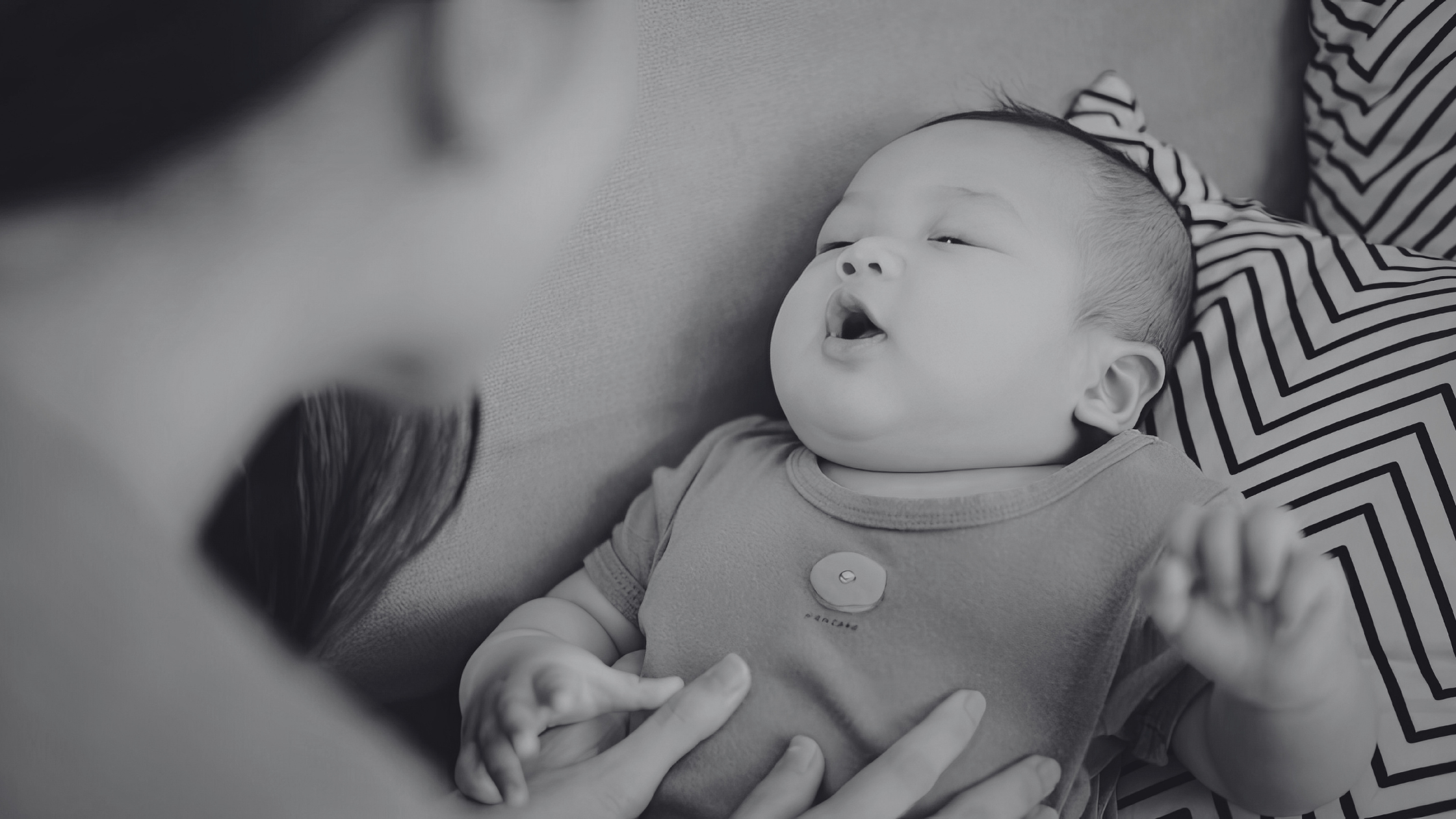
Attachment in the early stages of life
Attachment in the early stages of life is critical. It influences a child’s physical, neurological, cognitive and psychological development. In the first 6 weeks babies don’t show attachment to any specific caregiver. Carers who provide a nurturing environment and are responsive to a baby’s needs can lay the foundation for secure attachments to form.
Antenatal

During the antenatal period, parents and carers can form a bond with their child. Any bonds formed before birth can have a positive impact on the relationship between babies and their caregivers once the child is born (Condon and Corkindale, 1997).

Birth until 6 weeks

This is sometimes referred to as the pre-attachment phase because the baby doesn’t appear to show an attachment to any specific caregiver. However, parents and carers who provide a nurturing environment and are responsive to their babies needs can lay the foundation for secure attachments to form (Bowlby, 1997).
The first 45 days are especially important because the baby’s brain is still developing rapidly and is particularly vulnerable to damage from environmental factors such as malnutrition and infections. (Healthychildren.org)
6 weeks until 6-8 months

During this stage of their development, a baby might start to show a preference for their primary and secondary caregivers (often the mother and father).
6-8 months until 18 months -2 years

During this period a child begins to show a strong attachment to their primary caregivers. Babies start to develop separation anxiety during this phase and can become upset when their caregiver leaves, even for short periods (Bowlby, 1997).
Petal babies

Baby N
Baby N spent a day at our Petal Home while his mother was seeking much needed mental health and addiction support. There was no one else in his wider whānau who was available to care for him for a whole day.
It was just a short stay, and as with all cases of respite care, his mother retained full guardianship. Social Services and Baby N’s mother knew he was in safe hands with Petal’s experienced carers. His carer ensured she followed Baby N’s routine to keep him calm and settled.

Baby L
Baby L’s birth mother was unable to keep her for family and religious reasons. Initially she was going to stay at the Petal Home for just 3 days, however she remained in our care for 3 months while her adoption was finalised. Her birth mother was welcomed to visit and she did so 3 times.
The same carer took care of Baby L from 9am to 6pm every day and another carer, always the same, cared for her from 6pm to 9am so Baby L was as settled and secure as possible during her first months of life.
When family for Baby L was confirmed for her adoption, they visited the Petal Home multiple times to get to know their new daughter and to start bonding with her. With each visit our team supported her new parents with their understanding of her specific care and routines, building up their confidence and ensuring Baby L’s transition into her new family home was not rushed and the least traumatic it could be for everyone.

Baby R
Petal provided emergency care for Baby R for her first 3 days of life as her mother was struggling with addiction and her father was struggling to look after her 4 other siblings. At 3 months old she returned for 3 days per week for a couple of months but had sadly not experienced attachment due to her family circumstances.
Baby R had exposure to methamphetamine while in the womb so was withdrawing and was therefore a challenging baby for her family to care for. The team at Petal supported her family with guidance to help them learn how to best look after her.
*Names changed for privacy purposes